The Good Future Project
The Good Future is entirely possible – we just need to make the right decisions today!
recent posts
- Don’t be a doomer! Good read via Noah Smith
- The Threat to Higher Education: Who’s to Blame for Endangered Careers? – by Juan Alvarez
- Chat GPT: The Over-Hyped Threat to Skilled Labor and the Ignored Threat to Unskilled Labor – (Juan Alvarez)
- We Need to Radically Rethink Conscious Awareness (by Charles M. Johnston M.D.)
- Brave New World 3.0 – by Tim Cole
about
Category: Food
-

via Bloomberg “Many meat eaters initially excited by fake meat, who didn’t mind the not-quite-there taste or texture, eventually took a closer look at the ingredient list and couldn’t figure out whether they were actually trading up. Were they eating these burgers to curb carbon emissions or lower their blood pressure? Was it a healthier…
-

Lea Namugerwa, a climate activist from Uganda, asked world leaders that were going to take the podium to speak like they are in an emergency, because that’s what it is.
-

The world has improved in mind-blowing ways. Most people think the world is bad and getting worse, but scientific data proves otherwise. In reality, the world has never been richer and healthier than it is now. And it continues to get better. Nine particular improvements in living standards are driving this trend.
-

This cookbook contains eleven experimental food futures recipes that aim to provoke imagination and inspire critical thinking on how human-food practices could be different, supporting sustainable flourishing.
-

History is a long series of moral abominations.
-

Consumers are increasingly pushing for sustainable business practices in retail, driving businesses to reassess what they produce — and how. From ingredient upcycling to plastic alternatives to smart trash cans, we look at the technologies placing sustainability at the center of retail products and processes.
-

Talking with Bill Gates about progress, the best news in the world, and the future of food.
-
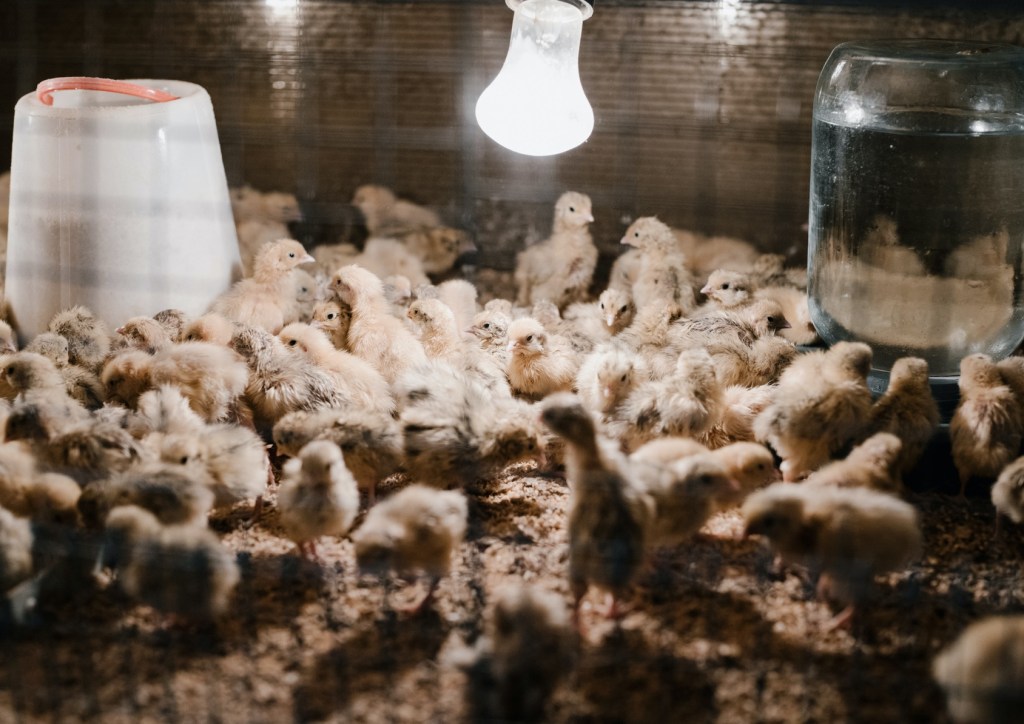
That conundrum is playing out on dinner plates across Europe. On the one hand, a rising concern with animal welfare and an awareness of agriculture’s environmental impact, especially when it comes to climate change (animal husbandry contributes 14.5% of greenhouse gas emissions), has translated into a broad and growing movement to reduce meat consumption and…
 The Good Future Project